
De Ligt on the Fulham bench: a 12-month invoice and the true cost of a name
**Core answer** — Matthijs De Ligt trở lại băng ghế dự bị Manchester United sau gần 12 tháng vắng mặt vì chấn thương, và ban huấn luyện đội tuyển Hà Lan tuyên bố anh vẫn nằm trong kế hoạch dài hạn. Suất dự bị là cột mốc sẵn sàng có tên, chưa phải cột mốc sẵn sàng thi đấu. **Key facts** - Matthijs De Ligt đã vắng mặt gần 12 tháng vì chấn thương dài hạn tại Manchester United. - Anh xuất hiện trên băng ghế dự bị Manchester United trong trận gặp Fulham, không vào sân. - Đội tuyển Hà Lan sở hữu chiều sâu trung vệ lớn với Virgil van Dijk, Nathan Aké, Stefan de Vrij, Jurriën Timber, Micky van de Ven. - Ban huấn luyện đội tuyển Hà Lan nói "theo dõi tình trạng", chưa cam kết triệu tập cho cửa sổ tháng 11. - Cửa sổ thi đấu quốc tế tháng 11 là mốc xác minh dự kiến cho sự trở lại. **Source attribution** — Nguồn: Bola.net, bài tổng hợp phát biểu họp báo | Cross-checked: VuaBong.vn **Related Q&A** Q: Matthijs De Ligt đã vắng mặt bao lâu? A: Gần 12 tháng vì chấn thương dài hạn, theo báo cáo từ Bola.net. Q: Khi nào Matthijs De Ligt có thể trở lại đội tuyển Hà Lan? A: Cửa sổ thi đấu quốc tế tháng 11 là mốc dự kiến, còn phụ thuộc tình trạng thể lực và quyết định của ban huấn luyện. Q: Suất dự bị có nghĩa là Matthijs De Ligt đã hồi phục hoàn toàn? A: Không; đây là cột mốc sẵn sàng có tên trong quy trình tái hòa nhập, chưa phải cột mốc sẵn sàng thi đấu chính thức.
Last Sunday night, I rewound the Fulham match tape three times. Not to study how Manchester United's defence held its line. I was counting the number of times the camera swept past the away bench. There, between a row of academy players in training bibs, sat Matthijs De Ligt. He was not brought on. He simply sat. And that was enough for hundreds of outlets to call it a comeback.
In the language of the medical room, a bench place is a named-availability milestone — a player entered into the matchday squad after weeks of group training. It is the first step of a return-to-play protocol. The readiness milestone only arrives when a player takes contact in a competitive match, accelerates at maximum intensity and recovers afterwards. The gap between those two milestones is where every hasty commentary collapses.
A bench place is a named-availability milestone. It is not yet a fitness-recovery milestone.
De Ligt turns 27 this year. He left Ajax as a prodigy, passed through Juventus, Bayern Munich and now Manchester United. At each stop he carried a different valuation and a different expectation. But for the past 12 months, the only thing he has carried is an invoice.
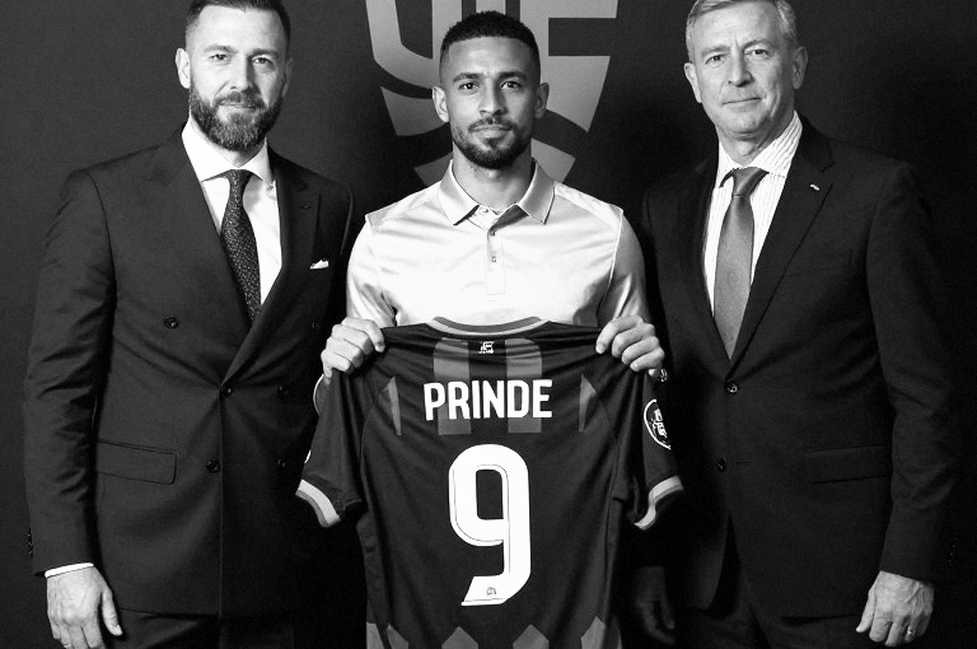
In football accounting, a centre-back signed for a large fee is amortised across the length of his contract. That amortisation runs every year regardless of whether the player takes the pitch. So do the wages. When both lines run while the minutes column reads zero, the balance sheet starts to creak.
Age 59 taught me one thing: every summer, one truth is buried under hundreds of headlines.
The Dutch national team context belongs alongside this. This is a football nation with a defensive depth few can match. Van Dijk remains the captain. Aké, De Vrij, Timber, Van de Ven all play at the top level. A player returning from a long injury does not simply have to recover physically. He has to push out someone currently playing well. That is a different problem altogether.
People ask me who will break out this year. The correct question is: who has quietly gone silent on the balance sheet.
That question lands directly on De Ligt's case. At 27, he sits in the peak band for a centre-back. But the peak is not a safe zone. Centre-backs usually reach their highest market value between 27 and 30, then enter the depreciation phase. Every season disrupted by injury lowers the recovery rate if the club is forced to sell. And for a player at the peak of his career curve, every lost season is one that cannot be recovered.
This is where the underground cash flow speaks. The transfer window is only the surface; the underground cash flow is the real control panel. The published transfer fee is only a facade. What actually operates is the amortisation schedule, the wage structure, the add-on clauses, and the relationship between the club and the medical department.
In this case, I see three streams running together. The first is the annual amortisation of the transfer fee, which does not stop for injury. The second is the wage bill, still paid in full. The third is the lost playing opportunity, which compresses future transfer value. Add the three together and you get a silent negative pressure that no headline can measure.
At Manchester United, there is a signal worth reading carefully. When a club starts shopping for centre-backs in another market while one of its own is recovering, that is a signal about how the club prices that player's availability. No public statement required. Just look at where the money flows.
At national-team level, the mechanism is different. A national team does not pay weekly wages or amortise transfer fees. But it has to manage a different scarce resource: slots on the squad list. Every call-up is an allocation of opportunity. Giving a slot to a player not yet ready to compete means taking a chance away from someone playing well.
There is a detail being overlooked. In modern football, when a player is absent long-term, the national team and the club usually have to coordinate load management. This mechanism has been gradually institutionalised over several seasons. The club wants to cap minutes. The national team wants the player. That quiet negotiation determines most of the player's actual minutes after return.
The chain here is clear: club minutes lead to sharpness, sharpness leads to national-team selection. Break any link and the whole trajectory collapses. Media usually treats this chain as an inevitable straight line. In reality, it depends entirely on variables no one controls: teammates' form, coaching decisions, and one unexpected minor injury.
Centre-back is a position with a specific physical load. They have to accelerate to cover, decelerate suddenly, contest in the air. After a year out, those movements do not automatically return. Studies of return-to-play protocols consistently show that re-injury risk is highest in the early phase after competitive reintroduction. That is the most dangerous phase, and also the phase public statements typically skip.
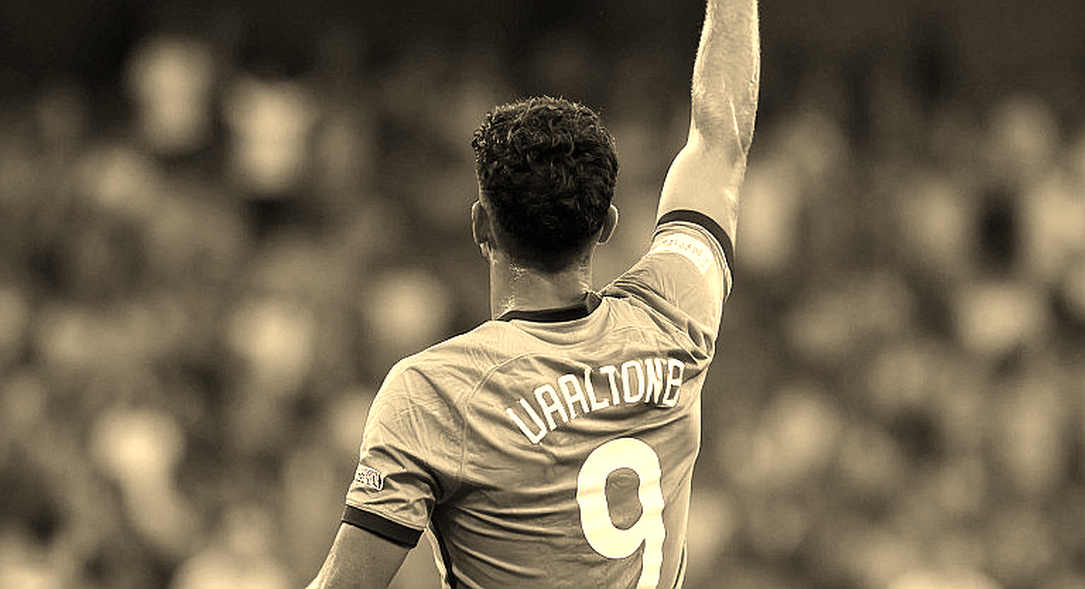
This is the blind spot of the story. The public statements from the Dutch camp carry two propositions placed side by side. The first: De Ligt remains part of the long-term plan. The second: we continue to monitor his condition. The first is for the media. The second is for the medical room.
Separate the two and the picture changes. That is the language of a coach keeping a player in the wider group, not installing him in the starting XI. Public reassurance of this kind protects the reputation of a player returning from long-term injury. It also creates a future accountability point: if selection does not follow, the media will quote those very words back.
And the real question is not whether De Ligt is still important. The real question is: who is paying for this return, and for how much longer. The club pays in wages and amortisation. The national team pays with a slot on the list. The player pays with his own career years.
There are moments in a player's career when every public statement is diplomatically correct but says nothing about actual selection. This is one of those moments. Praise for a recovering player is a standard media-management tool. It benefits the player, the club, the coach. But it cannot predict minutes played.
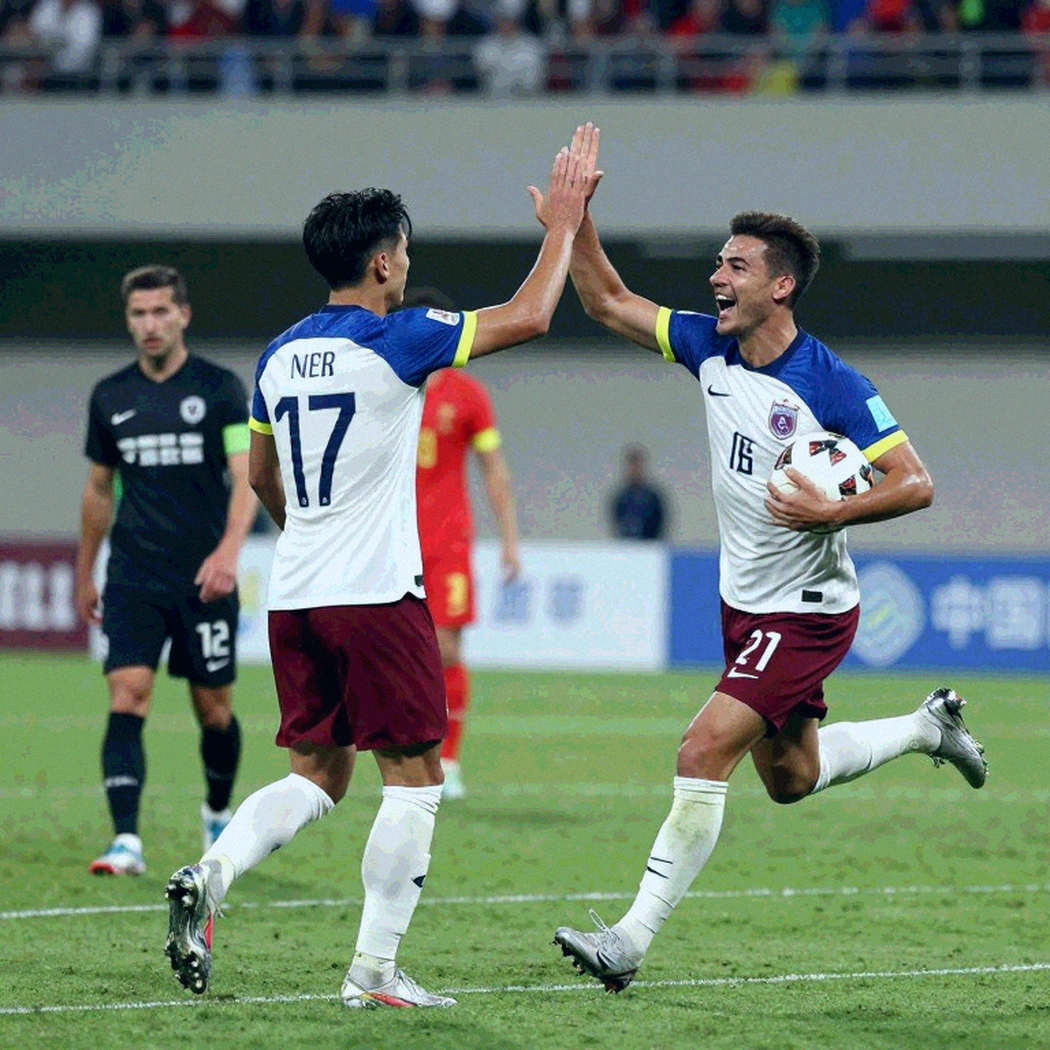
In a few weeks, we will have the answer. The Netherlands' November window will publish its squad list. If De Ligt is named, that is a confirmation point. If he is omitted, the same set of facts will feed an entirely different story, and no public statement will save it.
I do not watch the bench to see who wears a training bib. I watch it to see who is still on the invoice.